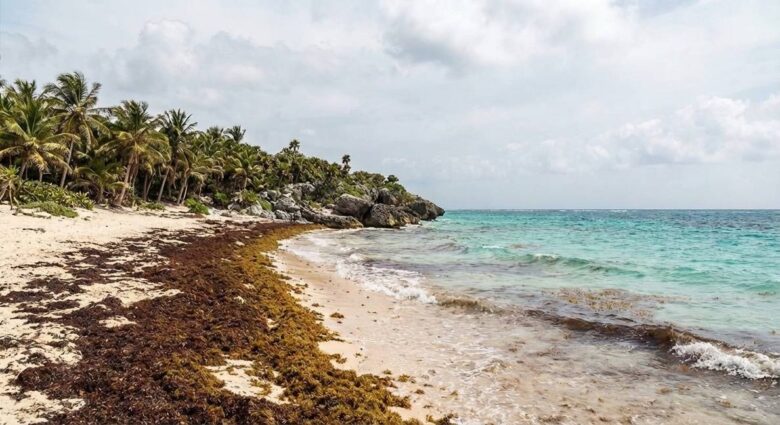
When is the best time to go to Tulum, Mexico? This magical Caribbean paradise offers something special year-round, but knowing the seasons helps you plan the perfect escape.
At Hacienda Chekul, nestled within the pristine Sian Ka’an Biosphere Reserve with 328 feet of private beachfront, we’ve welcomed guests during every season and understand exactly what makes each time of year unique.
Whether you’re seeking the perfect weather of high season or the authentic tranquility of shoulder months, this guide will help you choose the ideal time for your Tulum adventure.
Table of Contents
Best Times to Visit Tulum Throughout the Year
Tulum’s tropical climate creates distinct seasons, each offering unique advantages for different types of travelers. From the comfortable dry season to the lush wet season, understanding these patterns helps you align your visit with your vacation dreams.
High Season: December to April – Perfect Weather Paradise
The high season represents Tulum’s most popular time, when the Riviera Maya experiences its finest weather conditions. Cool nights, warm sunshine, and minimal rainfall create ideal conditions for beach time, exploring Mayan ruins, and enjoying outdoor adventures.
Key Features:
-
Temperature: Average highs of 82-84°F with comfortable nights around 64°F
-
Rainfall: Virtually no rain during the dry season
-
Crowds: Peak season means higher hotel rates and more visitors
-
Activities: Perfect for yoga retreats, cenote exploration, and archaeological sites
During peak season, Christmas and New Year periods bring holiday celebrations and fully booked accommodations. Spring breakers arrive in March, creating a lively atmosphere especially around Tulum Beach. The gorgeous weather continues through April, making it ideal for those seeking guaranteed sunshine and calm seas.

Shoulder Season: May and November – Best Value and Fewer Crowds
Shoulder months offer excellent value for travelers seeking beautiful weather with reduced crowds and lower prices. These transitional periods provide many advantages of high season without the premium costs.
May Highlights:
-
First sea turtles arrive for nesting season
-
Hurricane season officially begins, but conditions remain excellent
-
Rates drop significantly from peak season
-
Cinco de Mayo celebrations add cultural flavor
November Benefits:
-
Rainy season winds down with beautiful weather returning
-
Festival season begins with Day of the Dead celebrations
-
Festival de Cultura del Caribe showcases local heritage
-
Riviera Maya Jazz Festival brings world-class musicians
-
Last turtle hatchlings make their journey to the sea

Summer Season: June to August – Nightlife and Marine Life
Summer months bring hot, humid weather but offer unique advantages for certain travelers. Balmy nights create perfect conditions for moonlit beach parties and bar hopping, while marine life activity reaches its peak.
Summer Advantages:
-
Sea turtle nesting in full swing, especially near Sian Ka’an Biosphere Reserve
-
Warm evenings perfect for beachfront celebrations
-
June through September offer swimming opportunities with whale sharks
-
Prices rise again as summer vacation season arrives
While short rain showers occur regularly, they’re typically brief and refreshing. The sun almost always makes an appearance, and the warm temperatures make cenotes particularly inviting for cooling off.

Low Season: September to October – Budget Travel and Empty Beaches
The low season brings the year’s highest rainfall and potential for tropical storms, but also offers the most affordable rates and gloriously empty beaches. Hurricane season peaks during these months, though most days still see sunshine.
Low Season Benefits:
-
Lowest hotel rates and airfare of the year
-
Pristine beaches without crowds – perfect for photography
-
Mexican Independence Day celebrations with El Grito ceremonies
-
Final months of sea turtle nesting season
Many businesses close or reduce hours in October, but those remaining open often offer incredible deals. The weather may be spotty, but you can finally capture that perfect selfie at the ruins without being photobombed.

Seasonal Activities and Experiences
Each season in Tulum offers distinct experiences that take advantage of weather patterns and natural cycles. Understanding these seasonal highlights helps you plan activities that align with the best conditions.
Dry Season Activities (December-April)
The dry season provides optimal conditions for outdoor exploration and cultural experiences:
-
Archaeological Sites: Comfortable temperatures for exploring Tulum ruins, Coba, and Chichen Itza
-
Cenote Swimming: Crystal-clear waters perfect for snorkeling and diving
-
Yoga Retreats: Ideal weather for outdoor wellness activities
-
Beach Time: Consistently beautiful conditions for sunbathing and water sports
-
Festivals: Carnaval celebrations and Semana Santa (Easter Week) bring cultural richness

Wet Season Adventures (May-November)
The rainy season offers unique opportunities and lush landscapes:
-
Sea Turtle Watching: Nesting season provides incredible wildlife encounters
-
Whale Shark Season: Swimming with these magnificent creatures (June-September)
-
Birdwatching: Enhanced activity during migration periods
-
Cenote Exploration: Refreshing escapes from humidity and heat
-
Photography: Dramatic skies and lush jungle vegetation

Tips for Planning Your Perfect Tulum Visit
Maximizing your Tulum experience requires strategic planning based on your priorities and the season you choose to visit.
Weather Preparation
-
Sunscreen: Always pack reef-safe options to protect marine ecosystems
-
Rain Gear: Light rain jacket during wet season months
-
Clothing: Lightweight, quick-dry materials work best year-round
-
Hydration: Essential during hot summer months
Booking Strategy
-
Peak Season: Reserve accommodations 6-9 months in advance
-
Shoulder Season: 2-3 months ahead ensures good availability
-
Low Season: More flexible booking, but popular spots still fill up
Activity Timing
-
Archaeological Sites: Early morning visits beat crowds and heat
-
Cenotes: Midday visits offer best lighting conditions
-
Beach Time: Factor in potential seaweed during summer months
-
Wildlife Tours: Seasonal patterns affect optimal viewing times
Transportation Planning
-
Airport Access: Tulum Airport offers convenient connections year-round
-
Local Transport: Bicycle rentals work well in comfortable weather
-
Private Transfers: Recommended during peak season for reliability

Seaweed Considerations
Sargassum seaweed affects Tulum’s beaches seasonally, primarily during warmer months. Understanding these patterns helps set appropriate expectations:
Seaweed Season: May through October typically sees higher concentrations
Peak Months: June through August often experience the most impact
Variable Conditions: Wind patterns and ocean currents create unpredictable conditions
Beach Maintenance: Most properties actively clear seaweed from swimming areas
Alternative Activities: Cenotes, lagoons, and cultural sites remain unaffected
Making the Most of Your Stay at Hacienda Chekul
Our location within the Sian Ka’an Biosphere Reserve provides unique advantages regardless of when you visit. The protected environment and sustainable practices create optimal conditions for experiencing Tulum’s natural beauty.
Year-Round Advantages:
-
Private beachfront reduces crowding concerns
-
Multiple outdoor spaces provide weather flexibility
-
Eco-friendly design maintains comfort in all seasons
-
Expert local knowledge for activity planning
-
Personalized service adapts to seasonal conditions
Our sustainability practices ensure your visit supports conservation efforts while providing luxury amenities.
Conclusion
When is the best time to go to Tulum? The answer depends on your priorities, but every season offers magic in its own way.
High season delivers guaranteed sunshine and perfect beach conditions, while shoulder months provide excellent value with beautiful weather. Summer brings unique marine life experiences and vibrant nightlife, while low season offers authentic tranquility and incredible deals.
Ready to discover the perfect time for your Tulum adventure? Book your stay with us and let us help you experience the magic of every season in this extraordinary destination.

Frequently Asked Questions
What is the best month to visit Tulum?
December through April offers the most consistently beautiful weather with minimal rainfall and comfortable temperatures. At Hacienda Chekul, we find our guests particularly enjoy January and February when the weather is perfect and the holiday crowds have dispersed, creating an ideal balance of great conditions and reasonable availability.
What is the cheapest month to go to Tulum?
September and October typically offer the lowest rates on accommodations and flights, as these months fall during hurricane season with increased rainfall. However, many days still feature sunshine, and the reduced crowds create a more intimate experience. November also provides good value as the rainy season ends but peak season hasn’t begun.
What is the rainy season in Tulum?
Tulum’s wet season runs from June through October, characterized by frequent afternoon showers and higher humidity. The heaviest rainfall typically occurs in September and October. However, these tropical showers are often brief, and sunny skies usually return quickly. The rain keeps the jungle lush and vibrant.
Is Tulum worth visiting during the rainy season?
Absolutely! The rainy season offers unique advantages including lush jungle landscapes, incredible wildlife activity, lower prices, and fewer crowds. The rain is typically in short bursts, leaving plenty of time for activities. Plus, cenotes maintain perfect swimming conditions year-round, and the reduced visitor numbers create a more authentic experience of this magical destination.