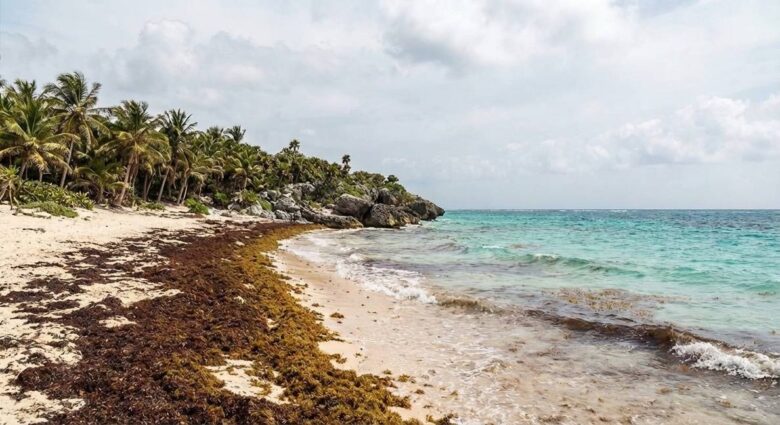
If you’ve been Googling Tulum spiritual retreats while daydreaming at your desk, you’re not alone. This stretch of Mexico’s Caribbean coast has become one of the world’s favorite places to unplug, heal, and reconnect with something deeper, whether that’s nature, community, or your own intuition.
Below, we’ll walk through why Tulum is such a powerful spiritual destination, what types of retreats you’ll find, how to choose the right one, and how a private villa like Hacienda Chekul can become your own customized retreat sanctuary.
Why Tulum Is a Magnet for Spiritual Retreats
1. A landscape that feels sacred
Tulum sits at the edge of the Yucatan jungle, where the Caribbean Sea meets biosphere reserves, mangrove lagoons, and limestone cenotes that were considered portals to the underworld in Mayan cosmology.
Just south of town, the Sian Ka’an Biosphere Reserve, encompassing over a million acres of protected jungle, wetlands, and reef, creates a feeling of wild seclusion that is rare in popular beach destinations. It’s UNESCO‑listed for its biodiversity, which includes manatees, crocodiles, dolphins, and hundreds of bird species.
All of this makes Tulum feel less like a resort strip and more like a natural temple. Sunrise meditations on the sand, full-moon ceremonies under the palms, and quiet lagoon boat rides become part of the spiritual experience rather than just “activities.”
2. A mature wellness & spirituality scene
Over the last decade, Tulum has evolved into a global hub for wellness tourism. You’ll find:
-
Yoga and meditation retreats at beachfront and jungle properties
-
Plant medicine circles (typically run by specialized facilitators)
-
Sound healing, Reiki, breathwork, and ice-bath sessions
-
Temazcal (traditional sweat lodge) and cacao ceremonies rooted in Indigenous traditions
Whether you want something light and restorative or deeply introspective, there’s likely a Tulum spiritual retreat that matches your level of comfort and curiosity.
3. Easy access, but a world away
With the Tulum International Airport now open and Cancun still a major entry point, getting here is straightforward, yet the moment you leave town and head into the jungle or the biosphere, modern life starts to feel very far away.
For retreat-goers, that balance is ideal: the travel logistics are simple, but the mental distance you gain is huge.

Types of Spiritual Retreats in Tulum
Every retreat has its own flavor, but most fall into a few broad categories. Knowing which one calls to you will make it easier to narrow your search.
Yoga & Meditation Retreats
These are the most common spiritual retreats in Tulum. Expect:
-
Daily yoga classes (often vinyasa in the morning, restorative or yin in the evening)
-
Guided meditation, breathwork, or mindfulness sessions
-
Healthy, often plant-forward meals
-
Free time for beach walks, journaling, or spa treatments
Some are hosted at boutique hotels; others at dedicated retreat centers or rented villas. Many are beginner‑friendly and focus on stress relief, nervous-system regulation, and gentle personal growth.
Ceremony & Healing-Focused Retreats
These experiences tend to weave in more intentional spiritual practices, such as:
-
Temazcal (sweat lodge) ceremonies
-
Cacao ceremonies and fire circles
-
Energy work (Reiki, sound baths, or crystal healing)
-
Somatic or emotional release workshops
Because of the depth of this work, it’s especially important to research the facilitator’s background and how they integrate local traditions respectfully.
Nature, Detox & Digital-Detox Retreats
Not all retreats are about classes and circles. Some are simply about getting your life back by stepping away from your notifications and sinking into nature:
-
Off-grid or eco-conscious stays in the jungle or biosphere
-
Days structured around ocean swims, lagoon tours, birdwatching, or cenote visits
-
Simple rituals: sunrise meditation, barefoot beach walks, stargazing at night
This is where Tulum’s wilder corners, like Sian Ka’an, really shine, offering deep quiet and clear night skies that naturally encourage reflection.

What to Look For in a Tulum Spiritual Retreat
Because “spiritual retreat” can mean so many things, it helps to ask yourself a few key questions before you book.
1. Location & vibe
-
Beachfront: Great if you want daily ocean swims, long walks on the sand, and easy access to Tulum’s restaurants and nightlife.
-
Jungle: Feels more secluded and mystical, with birdsong, rustling palms, and star-filled skies.
-
Biosphere or remote nature: Ideal for deep rest, silence, and digital detox, less bustle, more raw beauty.
Each setting has its own energy. Decide whether you want “soft retreat with options” or “full unplug mode.”
2. Group size & level of structure
-
Highly structured programs work well if you want your day planned: morning practice, workshops, ceremonies, and built-in rest times.
-
Loose frameworks are better if you’re self-motivated and prefer to design your own rhythm.
-
Small, intimate groups (or private villas) allow for more personalized attention and quieter spaces.
3. Philosophy & facilitators
Read the retreat’s “About” page and teacher bios carefully. Look for:
-
Transparent values and clear intentions
-
Experience with holding safe, inclusive spaces
-
Respectful integration of local Mayan or Indigenous traditions, where relevant
4. Sustainability
Tulum’s ecosystems are fragile, so it’s worth choosing spaces that take this seriously:
-
Eco-conscious architecture and renewable energy
-
Water, waste, and reef-safe product practices
-
Respectful wildlife and biosphere guidelines
Eco-focused properties in and around Sian Ka’an are often intentionally designed to exist in balance with their surroundings, using solar and wind power and low-impact building materials.

Private Villa vs. Retreat Center: Is a Custom Spiritual Retreat Right for You?
Most people think of Tulum spiritual retreats as preset group programs, but there’s another approach that’s becoming increasingly popular: renting a private villa and curating your own experience.
This works especially well if you’re:
-
Traveling with a group of friends, family, or a community
-
A yoga, coaching, or wellness practitioner hosting your own retreat
-
Craving privacy, flexibility, and the feeling of having an entire sanctuary to yourselves
Why a villa in Sian Ka’an is especially powerful
Inside the Sian Ka’an Biosphere Reserve, you’ll find properties that are both luxurious and off-grid, literally nestled between the Caribbean Sea and tranquil lagoon systems, with little else around.
Hacienda Chekul is a standout example. This four‑bedroom beachfront villa sits on a six‑acre jungle estate with its own stretch of pristine sand and sweeping views of the turquoise sea. Designed by architect Salvador Reyes Ríos, it blends traditional Mexican elements (arched terraces, handcrafted tile, palapa-style details) with clean, modern lines and indoor‑outdoor living spaces that feel made for yoga mats and meditation cushions.
A few reasons wellness and spiritual groups gravitate toward Hacienda Chekul:
-
Privacy & space: With only one villa on the property, your group has the beaches, pool decks, and terraces all to yourselves.
-
Eco-conscious comfort: The home is powered by renewable energy and designed for minimal environmental impact, aligning well with guests who care about sustainability.
-
Full-service support: A private chef, house manager, and discreet housekeeping team are included, so you can focus completely on your retreat programming instead of logistics and meal planning.
-
Flexible canvas: The property doesn’t impose a preset schedule; you can bring your own yoga teacher, hire local healers or bodyworkers, or keep it simple with self-led rituals and nature time.
In other words, it’s like having your own private retreat center, without sacrificing comfort, service, or ethical design.

Practical Tips for Planning Your Tulum Spiritual Retreat
Best time to visit
-
Nov–Apr: Dry season, cooler temps, calm sea – ideal for most retreats.
-
Shoulder months (May–Jun, Oct): Fewer crowds and better prices; expect some heat or rain.
-
Avoid peak holidays if you want a quieter, more introspective vibe.
What to pack
-
3–4 outfits in lightweight, breathable fabrics
-
2 swimsuits + a light rash guard (for cenotes and strong sun)
-
Reef-safe sunscreen, biodegradable insect repellent, hat, and sunglasses
-
Shawl or scarf for ceremonies and cooler evenings
-
Sandals + one pair of sturdy water‑friendly shoes
-
Journal, pen, reusable water bottle, and any personal ritual items
Health & safety
-
Drink plenty of purified water and add electrolytes if you’re sweating a lot.
-
Schedule intense practices (temazcal, strong breathwork, long yoga sessions) for cooler parts of the day.
-
If you have medical or mental health conditions, speak with your doctor before booking demanding activities and tell facilitators what they should know.
Cultural respect
-
Choose retreats that clearly honor and collaborate with local Mayan or Indigenous communities.
-
Ask before taking photos in ceremonies and follow the guidelines your facilitators give you.
Go slow
-
Plan one key activity per day and leave the rest open for rest and reflection.
-
Keep some phone‑free time every day so the retreat actually feels like a reset, not just another busy trip.

Ready to Start Your Own Tulum Spiritual Retreat?
Tulum spiritual retreats aren’t just about escaping your routine; they’re about remembering what life feels like when your body, mind, and surroundings are all on the same, gentle wavelength.
Whether you join a structured group retreat or design your own experience at a private villa, the combination of Caribbean light, jungle stillness, and deep-rooted local traditions makes this corner of Mexico a powerful setting for inner work.
If the idea of a private, customizable retreat speaks to you, explore Hacienda Chekul as your home base in Sian Ka’an.

Frequently Asked Questions
1. What makes Tulum a popular destination for spiritual retreats?
Tulum is known for its combination of Caribbean beaches, lush jungle, cenotes, and ancient Mayan cultural influence. This natural and historical environment creates a setting that supports reflection, healing, and inner work. The area also has a strong wellness community, which means visitors have access to experienced facilitators, diverse retreat styles, and high‑quality holistic services.
2. Do I need experience with yoga or spiritual practices to join a retreat?
Most retreats in Tulum welcome beginners. Yoga sessions are usually taught with modifications for all levels, and meditation or breathwork classes are designed to be accessible even if you have never practiced before. If a retreat includes advanced healing or ceremonial experiences, organizers typically provide clear information so you can understand what to expect before reserving your spot.
3. Is the water safe to drink in Tulum?
It is not recommended to drink tap water in Tulum. However, retreat centers, hotels, and private villas provide purified drinking water for guests. Properties like Hacienda Chekul offer purified water stations, which makes it easy to stay hydrated without concern.
4. How do I get around during a retreat in Tulum?
Transportation depends on the location of your retreat. In the town area, many people use bicycles, taxis, or pre‑arranged shuttles. If your retreat is hosted in the Sian Ka’an Biosphere Reserve or in a more remote natural setting, private transportation is usually arranged by the retreat host or the villa staff. This ensures safe and reliable travel to and from activities.
5. Can I host my own private retreat in Tulum?
Yes. Many teachers, coaches, and wellness practitioners choose to host private retreats by renting a villa. A property like Hacienda Chekul is ideal because it provides privacy, beachfront access, eco‑friendly design, and a full-service staff. This allows retreat leaders to create customized schedules that include yoga, ceremonies, workshops, or simple relaxation without the limitations of a traditional resort.